BAH Power Engine for Efficient Power Systems
Motor for Sale: Locating the Best Match for Your Vehicle Demands
Discovering the appropriate engine for sale demands careful consideration of numerous factors. Vehicle requirements and lifestyle take a crucial role in the decision-making process. It's not simply about power; efficiency and compatibility are essential as well. Understanding these components can make all the difference in capability and reliability. The journey to the perfect match initiates with knowledge and informed choices. What should be the next step in this important search?
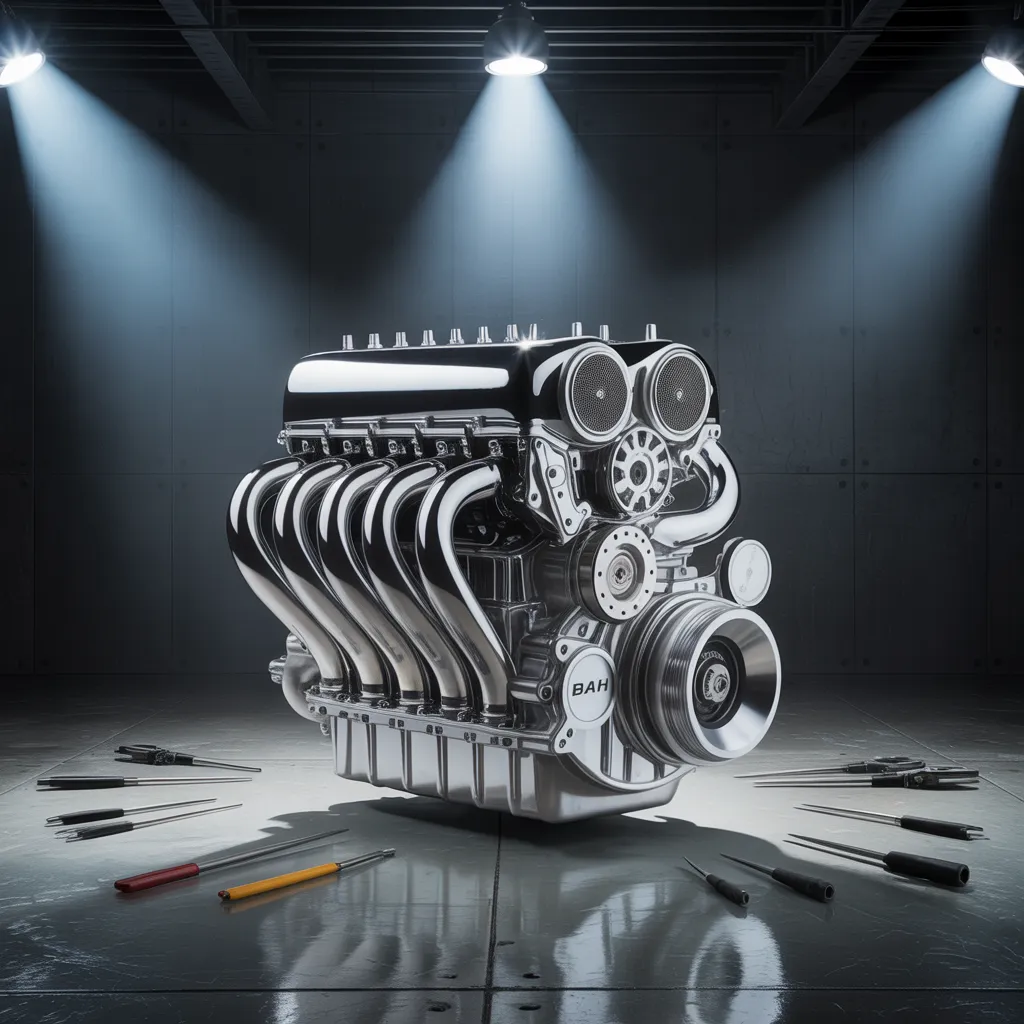
Get to Know Your Vehicle's Engine Details
Comprehending a vehicle's engine specifications is crucial for both consumers and sellers in the automotive market. Engine specifications include various critical details, including engine type, displacement, horsepower, torque, and fuel efficiency. Consumers benefit from knowing these specifications as they help establishing the vehicle's performance capabilities and suitability for their needs. For instance, a buyer looking for efficiency may emphasize a smaller engine with higher miles per gallon, while a performance enthusiast might seek a high-horsepower variant.
On the flip side, sellers must display exact engine details to appeal to potential purchasers, boosting openness and trustworthiness. Moreover, grasping specifications assists sellers in supporting their vehicle's pricing and situating it within the competitive environment. All in all, a complete comprehension of engine specifications is crucial for well-informed decision-making, making certain that both parties take part in a knowledgeable exchange. Therefore, it functions as a basis for a prosperous automotive transaction.
What Performance Do You Really Want?
When considering a vehicle purchase, performance preferences play a key role in guiding decisions. Buyers should establish their specific performance needs, which can differ significantly based on driving habits and lifestyle. Some emphasize acceleration and top speed, seeking engines that deliver robust horsepower and torque. Others may emphasize fuel efficiency, valuing engines that offer optimal mileage without sacrificing essential power.
Additionally, handling and responsiveness are essential for those who prefer spirited driving or routine highway travel. Stability and comfort in multiple conditions, including off-road capabilities for adventurous drivers, may also impact selections.
In the end, grasping these performance needs helps optimize the search for an engine that matches the purchaser's expectations. By defining what performance truly means to them—be it horsepower, efficiency, or responsiveness—buyers can make informed decisions that improve their overall driving experience.
How to Choose the Best Engine Type
How might a purchaser successfully identify the right engine type for their needs? First, they should assess their driving habits and requirements. For instance, those seeking fuel efficiency may favor a four-cylinder engine, while performance enthusiasts may gravitate toward V6 or V8 engines. Purchasers must also evaluate the vehicle's intended use; a truck designed for towing will need a different engine type compared to a compact car.
Subsequently, they need to evaluate the engine's compatibility with their vehicle model, verifying it meets technical specifications and fits within the engine bay. Additionally, comprehending the benefits of different fuel types—such as gasoline, diesel, or hybrid—can impact their decision based on availability and cost.
Ultimately, a thorough research process that includes performance, compatibility, and fuel efficiency will direct buyers towards selecting the engine best suited for their vehicle and lifestyle requirements.
Establishing Your Engine Buying Budget
Creating a budget for purchasing an engine necessitates detailed consideration of numerous factors, as buyers have to balance their fiscal restrictions with their demands. The first step involves defining a budget range, considering both the motor cost and additional expenditures such as setup, delivery, and possible alterations. Buyers need to explore multiple engine varieties and their costs, confirming they recognize what specifications validate increased prices.
It's also crucial to evaluate the long-term implications of the purchase. A lower-priced engine may conserve funds upfront but could result in increased maintenance costs over time. Buyers must review warranties, as these can offer insight into the engine's durability and potential future expenses. Furthermore, researching financing options may allow buyers organize their budget effectively. Ultimately, a properly structured budget not only facilitates a more seamless purchasing process but also ensures that the picked engine matches both short-term needs and long-range vehicle performance goals.
How to Begin Your Engine Search
Where should one begin the search for an engine? The initial step involves identifying the particular needs based on the automobile type and usage plans. Examining the compatible engine types for the vehicle is essential; this is typically located in the vehicle manual or via manufacturer sites.
After this, potential buyers should examine reputable sources for their search. Nearby salvage yards, online marketplaces, and specialized engine retailers supply a variety of options. Participating in online forums or communities can also provide valuable insights and recommendations from fellow vehicle enthusiasts.
Furthermore, examining the status and background of potential engines is essential. Prospective buyers should ask about past usage, maintenance logs, and warranty alternatives. This detailed approach not only streamlines the search process but also provides a well-informed decision when selecting the optimal engine for the vehicle demands.
Guidelines for Completing Your Engine Decision
Once potential buyers have reduced their choices, it's essential to evaluate each engine's specifications and compatibility with their vehicle. They should consider factors such as horsepower, torque, and fuel efficiency, ensuring the engine fulfills their performance needs. Moreover, examining the engine's dimensions and weight is essential to confirm it fits within the vehicle's specifications.
Prospective buyers must assess the engine's age and service history, particularly when purchasing used engines, to gauge reliability and potential maintenance costs. It is advisable to check warranty options, as a quality warranty can give peace of mind.
Finally, consulting with a mechanic learn about this or automotive expert can offer invaluable insights. They can assist in spot any potential issues and ensure that the selected engine suits the vehicle's intended use. Making a carefully considered decision using these criteria will bring about a satisfying engine selection that boosts vehicle performance and longevity.
Questions & Answers
Can I Swap My Engine With a Different Brand?
Changing an engine with a different brand is feasible, but it demands careful assessment of compatibility, modifications, and potential legal consequences. Thorough research and expert guidance are vital to secure proper fit and performance.
What Kind of Warranty Protection Is Offered on Used Engines?
Generally, previously owned engines are offered with warranties covering 30 days to one year. Such warranties usually cover defects in construction and materials, but restrictions may be present, so consumers should carefully review conditions before purchasing.
How Can I Ensure Engine Compatibility For My Vehicle?
To guarantee engine compatibility, it's important to confirm the engine's specifications, including year, model, and VIN. Checking the vehicle's manual and requesting expert advice can also help confirm proper fitment and functionality for peak performance.
What Are the Characteristics of a Dependable Engine Seller?
Reliable engine vendors show transparency, supply thorough product details, supply warranties, and have strong customer reviews. They also display sector experience and maintain clear communication, guaranteeing buyers feel assured in their purchase decisions.
Does Engine Installation Come with the Purchase Price?
The purchase price rarely includes engine installation. Buyers should inquire about additional fees, as many vendors offer installation as a stand-alone service. Learning about these costs early can help prevent unexpected fees when purchasing the engine.